Temperature Switch 9006324 02 Replacement for Alfa Laval PureBallast BWTS
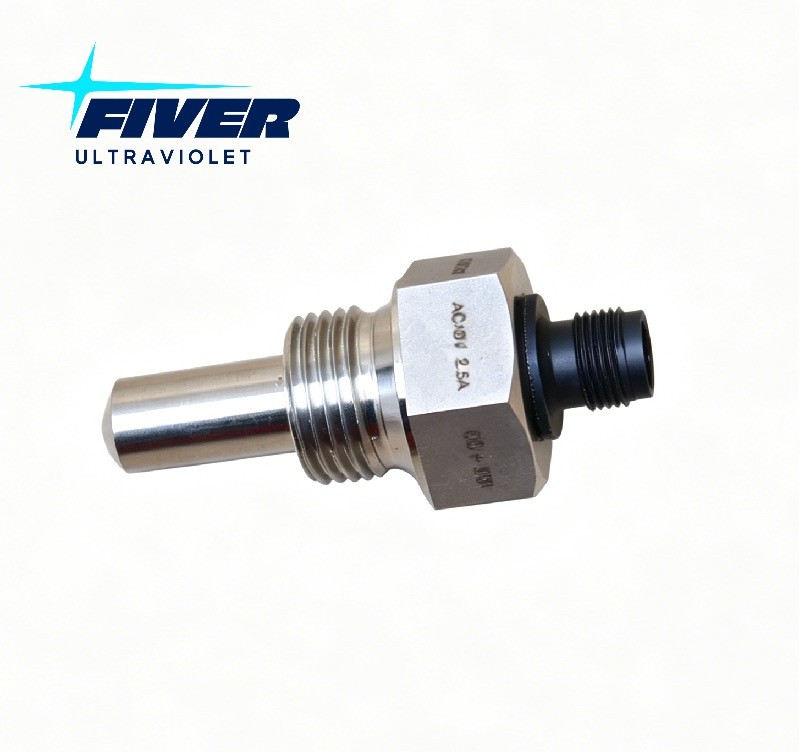
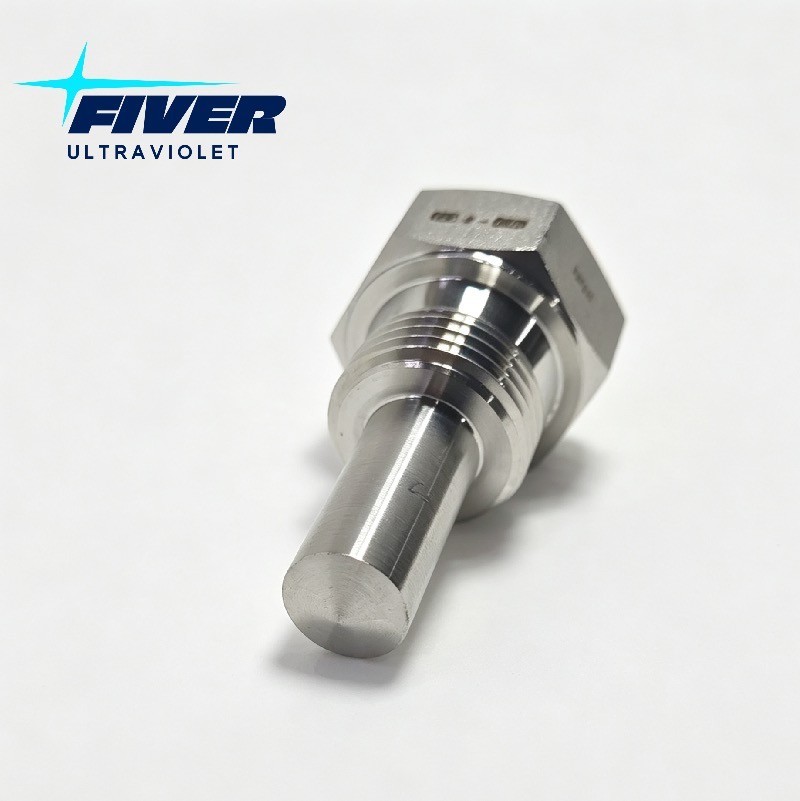
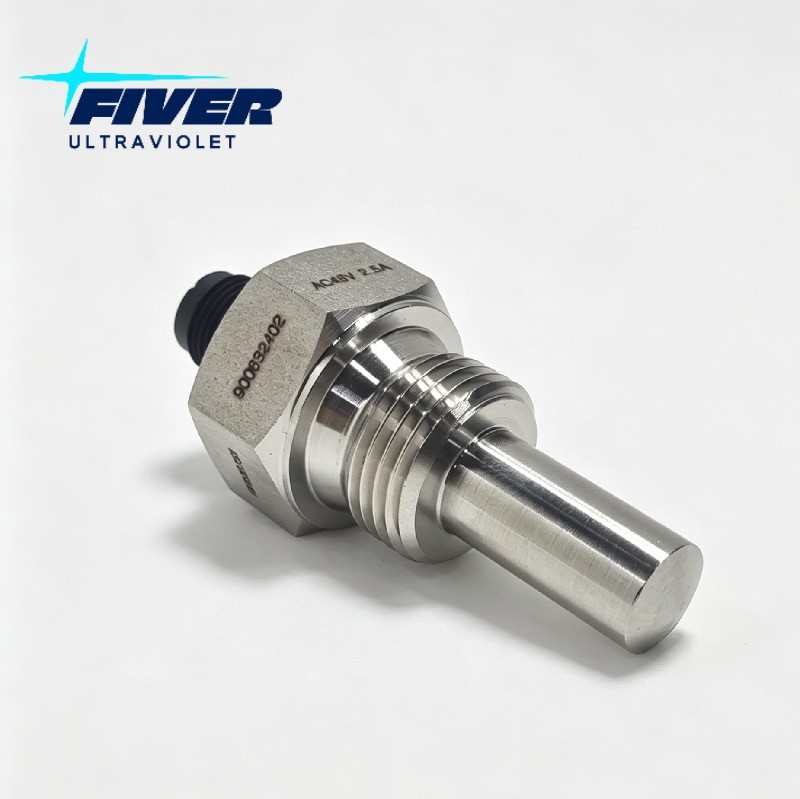
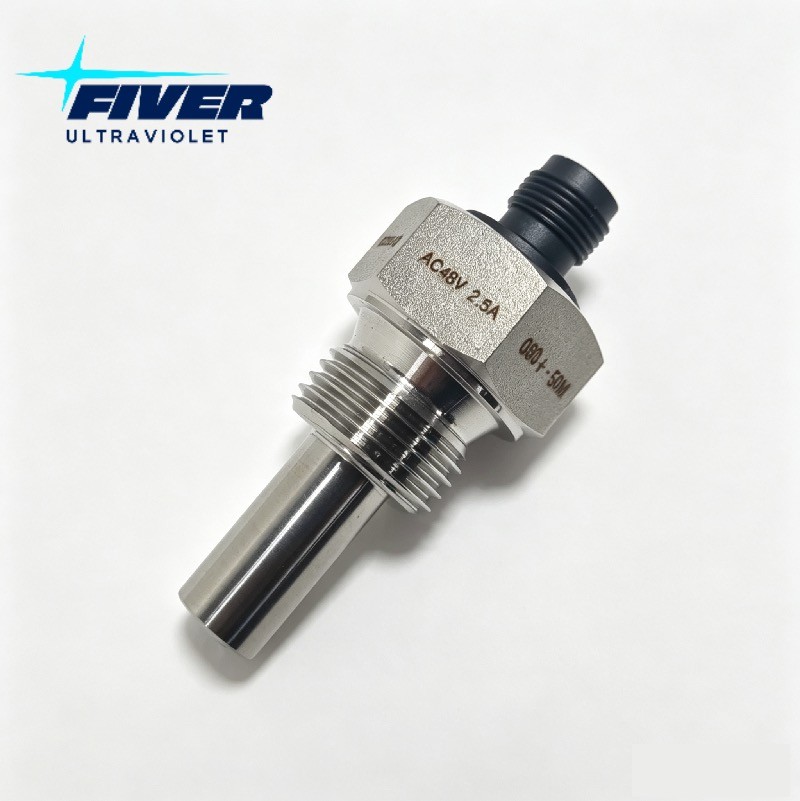
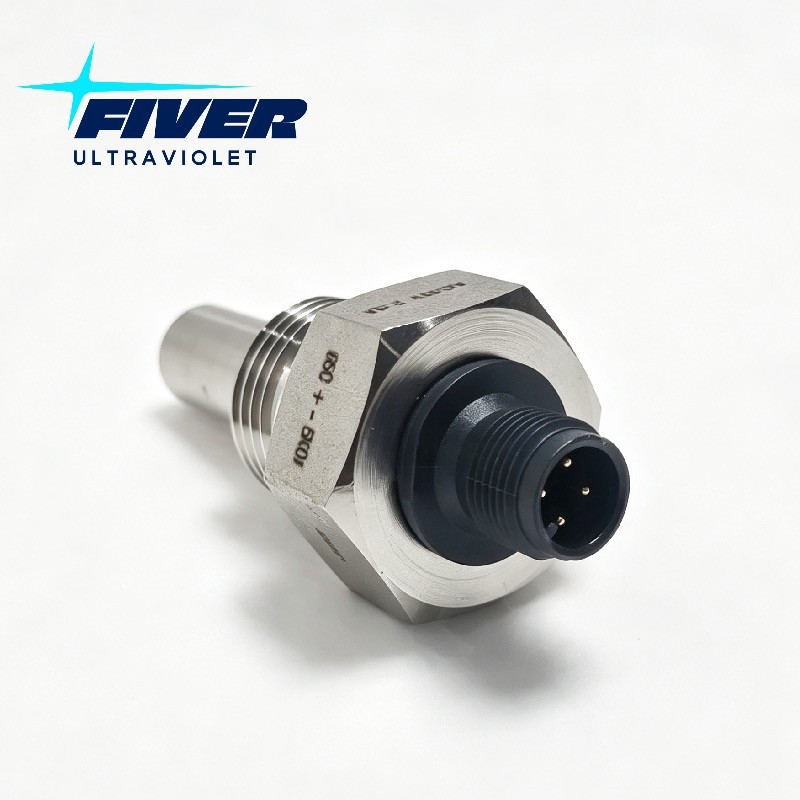
Temperature Switch Replacement for Alfa Laval PureBallast BWTS P/N 9006324-02 — Tag TS201-60
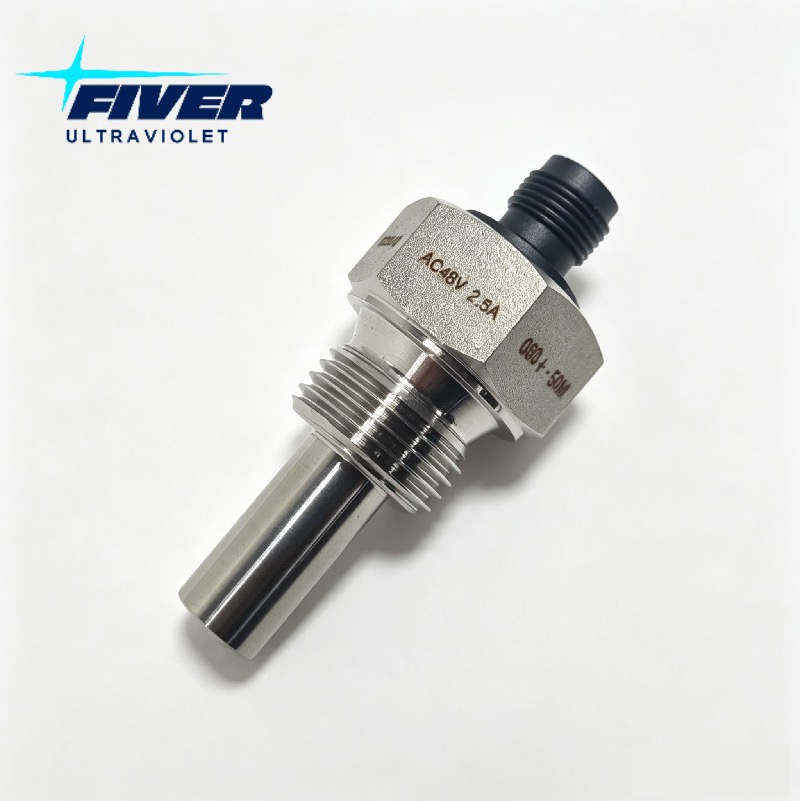
Thermal Protection That Stands Between Your Reactor and a Costly Breakdown
Inside every Alfa Laval PureBallast UV reactor, a small but critical component silently guards against catastrophic thermal damage. The temperature switch (P/N 9006324-02, tag TS201-60) is a bimetal snap-action device that monitors reactor temperature and triggers an immediate system shutdown when it reaches 65°C (149°F).
When the switch trips, it opens its normally closed (NC) contact, breaking the safety circuit and triggering alarm A137 on the PureBallast control panel. The UV lamps power down, the ballast water flow diverts, and the reactor begins cooling — all automatically, without operator intervention.
This isn't just a convenience feature. Without a functioning temperature switch, a cooling system failure or low-flow condition can cause reactor temperatures to spike, permanently degrading UV lamp output, cracking quartz sleeves, destroying O-ring seals, and potentially leading to non-compliant ballast water discharge. A failed switch during a Port State Control inspection means your vessel may be detained.
FiverUVC's 9006324-02 replacement is manufactured to OEM-equivalent specifications: same bimetal snap-action technology, same 65°C trip point, same NC contact configuration, same process connection dimensions, and same electrical interface. Every unit ships with a factory calibration certificate verifying the trip point — documentation you'll need for your annual inspection and Port State Control records.
Technical Specifications
| Temperature Switch — P/N 9006324-02 (TS201-60) | |
|---|---|
| OEM Part Number | 9006324-02 |
| Tag Designation | TS201-60 |
| System Function | Over-temperature safety cutoff |
| Alarm Triggered | A137 (UV reactor high temperature) |
| Switch Type | Bimetal snap-action (mechanical, no auxiliary power) |
| Switching Element | Snap-action contact |
| Contact Configuration | Normally Closed (NC) — opens at trip temperature |
| Trip (Switching) Temperature | 65°C (149°F) |
| Trip Tolerance | ±5°C (per JUMO 60.8301 specification) |
| Reset Temperature | Approx. 45-48°C (automatic reset on cooling) |
| Temperature Range | 0 to 140°C (operating range of bimetal element) |
| Switching Capacity | Up to 10 A, 230 V AC (resistive load); 10-100 mA, 6-30 V DC (PLC application) |
| Contact Resistance | ≤ 50 mΩ |
| Process Connection | Threaded fitting (per reactor specification) |
| Process Connection Material | Stainless steel 1.4305 (AISI 303) — corrosion-resistant for seawater environment |
| Wetted Parts | Stainless steel — compatible with ballast water and UV reactor interior |
| Electrical Connection | DIN EN 175301-803 Form A (cable socket) or M12 × 1 connector |
| Protection Class | IP67 (dust-tight, waterproof to 1m immersion) |
| Vibration Resistance | Suitable for marine engine room environments |
| Operating Principle | Bimetal kinematics — temperature change causes differential expansion of bonded metals, snapping the contact open at the set point |
| Calibration Requirement | Annual verification per IMO D-2 & USCG regulations |
| Calibration Method | Controlled bath test — verify trip point within 0.95-1.05 ratio of 65°C |
| Compatible Systems | PureBallast 2.0, 3.0, 3.1 Compact, 3.2 Compact Flex |
| OEM Reference Technology | JUMO bimetal temperature switch 60.8301 series |
| Net Weight | Approx. 200-300 g (varies by fitting configuration) |
| Packaging | Individual protective packaging |
Why Choose FiverUVC's 9006324-02 Temperature Switch
1. OEM-Equivalent Bimetal Snap-Action Technology
Our switch uses the same JUMO 60.8301-series bimetal snap-action mechanism as the original Alfa Laval component. A bonded bimetal strip converts thermal energy into mechanical motion — when the reactor temperature climbs to 65°C, the differential expansion of the two metals forces the snap-action contact to open instantly. No electronics, no auxiliary power, no software — just physics you can trust.
This matters because in a thermal emergency, you need a device that fails predictably. A bimetal switch doesn't require power to operate. If the reactor overheats during a power glitch, the switch still trips. If wiring is damaged, the NC contact opens and triggers the alarm. It is inherently fail-safe.
→ Benefit: Identical trip behavior to OEM. No software updates, no power dependency, no calibration drift between annual checks.
2. 65°C Trip Point — Matches PureBallast Safety Logic Exactly
The 65°C threshold is not arbitrary. Alfa Laval's PureBallast control system is programmed to interpret an open circuit on the TS201-60 loop as alarm A137 — "UV Reactor High Temperature". This alarm initiates an immediate shutdown sequence: UV lamps off, flow diversion, reactor cooling mode.
Our switch is factory-set and verified to trip at exactly 65°C ±5°C, matching the JUMO 60.8301 specification used in the original equipment. The tolerance band ensures reliable tripping without nuisance alarms during normal temperature fluctuations in tropical waters.
→ Benefit: Your PureBallast safety system responds exactly as designed. No false alarms, no missed trips, no control logic reconfiguration needed.
3. Stainless Steel Construction for Seawater Environment
The process connection and wetted parts are manufactured from stainless steel 1.4305 (AISI 303), providing excellent corrosion resistance in the marine environment. The switch is installed inside the UV reactor, where it is exposed to ballast water, UV radiation, and elevated temperatures — all simultaneously.
The IP67 protection rating ensures the electrical compartment remains sealed against water ingress even under pressure washing or condensation conditions common in engine rooms and ballast pump spaces.
→ Benefit: Survives the harsh UV reactor interior environment. No galvanic corrosion, no water ingress, no premature failure.
4. Factory Calibration Certificate with Every Unit
Every FiverUVC 9006324-02 ships with a factory calibration certificate documenting:
Serial number and manufacturing date
Measured trip temperature (actual value, not just nominal)
Tolerance band verification (within ±5°C of 65°C)
Reset temperature measurement
Contact resistance measurement
Insulation resistance test result
Test equipment ID and calibration traceability
Technician signature and QA stamp
This certificate satisfies the documentation requirements of IMO D-2, USCG, and classification society annual surveys. Present it during Port State Control inspections to demonstrate that your spare part meets the original equipment specifications.
→ Benefit: Pass annual inspections and Port State Control without delays. Full traceability from factory to your reactor.
5. Fail-Safe NC Contact Design
The switch uses a Normally Closed (NC) contact configuration. Under normal operating conditions (reactor temperature below 65°C), the contact is closed and current flows through the safety circuit. When the temperature reaches 65°C, the bimetal snaps the contact open, breaking the circuit.
This design is deliberately fail-safe: if a wire breaks, a connector corrodes, or the switch itself fails, the circuit opens and the system treats it as a high-temperature event — shutting down rather than running unprotected. This is the same logic used in marine fire alarm systems and emergency shutdown circuits.
→ Benefit: Any failure mode — broken wire, corroded contact, internal fault — triggers a safe shutdown, not a silent failure.
The Three Jobs Your Temperature Switch Does
1. Reactor Over-Temperature Shutdown
The primary function. If cooling water flow is interrupted, if ballast water flow drops below minimum, or if ambient temperature in the engine room spikes, the UV reactor temperature can rise rapidly. At 65°C, the bimetal switch trips, triggering alarm A137 and initiating the PureBallast shutdown sequence. The UV lamps turn off to eliminate the heat source, protecting the quartz sleeves from thermal stress and the reactor seals from degradation.
2. Equipment Protection Cascade
The temperature switch is the first line of defense in a protection cascade:
| Temperature | Action | Triggered By |
|---|---|---|
| Normal (below 50°C) | System operates normally | — |
| Approaching limit (50-64°C) | Temperature transmitter (TT201-33) reports rising temperature to PLC; system may increase cooling | 9006325-02 (TT201-33) |
| 65°C — TRIP POINT | Switch opens → Alarm A137 → Immediate UV shutdown | 9006324-02 (TS201-60) |
| Post-trip (cooling) | System locked out until temperature drops to ~45°C (automatic reset) | TS201-60 bimetal reset |
3. Compliance Evidence for Inspections
During annual inspections and Port State Control checks, surveyors verify that the temperature protection system is functional. The calibration certificate we provide documents that the switch trips within tolerance at 65°C. Combined with the annual calibration record from your service technician, this creates a complete compliance trail.
If the switch fails its annual calibration check (trip point outside the 0.95-1.05 ratio acceptance band), it must be replaced before the system can be certified for continued operation. Having a spare 9006324-02 on board — with a valid calibration certificate — avoids costly vessel detention.
System Compatibility
The 9006324-02 temperature switch (TS201-60) is used across the entire Alfa Laval PureBallast product family:
| System Model | Flow Range | Tag | Part Number | Compatible |
|---|---|---|---|---|
| PureBallast 2.0 | 250-3,000 m³/h | TS201-60 | 9006324-02 | ✓ Yes |
| PureBallast 3.0 | 250-3,000 m³/h | TS201-60 | 9006324-02 | ✓ Yes |
| PureBallast 3.1 Compact | 250-1,000 m³/h | TS201-60 | 9006324-02 | ✓ Yes |
| PureBallast 3.2 Compact Flex | 250-3,000 m³/h | TS201-60 | 9006324-02 | ✓ Yes |
How to verify: Check your system's PMS (Planned Maintenance System) list or the tag plate on the UV reactor. The tag "TS201-60" and part number "9006324-02" should be listed under the reactor's instrument list. If your system uses a different tag or part number, contact us — we may stock the equivalent.
Maintenance & Annual Calibration
Annual Calibration Procedure
Per IMO D-2 and USCG regulations, the temperature switch must be verified during the annual system inspection. The standard procedure:
Remove the switch from the UV reactor (isolate reactor per lockout/tagout procedure).
Immerse the probe in a controlled temperature bath with a reference thermometer (calibrated and traceable).
Raise temperature gradually (max 2°C/min) while monitoring the contact state with a continuity tester.
Record the trip temperature — the exact temperature at which the NC contact opens.
Calculate the ratio: Measured Trip Temperature ÷ 65°C. The ratio must be between 0.95 and 1.05 (i.e., trip between 61.75°C and 68.25°C).
If within tolerance: Document the result, reinstall the switch, return to service.
If outside tolerance: Replace with a new 9006324-02 (do not attempt to adjust — bimetal switches are factory-sealed).
Cooldown test: Verify the contact closes again (automatic reset) when temperature drops to approximately 45-48°C.
Do not attempt to adjust the trip point. Bimetal temperature switches are factory-sealed and calibrated. Tampering with the adjustment screw voids the calibration certificate and may cause the switch to fail at a critical moment. If the switch fails calibration, replace it — do not repair it.
When to Replace (Not Just Calibrate)
Replace the temperature switch immediately if any of the following occur:
Failed annual calibration — trip point outside 0.95-1.05 ratio
Alarm A137 appears when reactor temperature is known to be normal (false trip — indicates contact degradation)
Visible corrosion on the process connection or electrical connector
Moisture inside the electrical housing (IP67 seal compromised)
Physical damage — bent probe, cracked housing, deformed fitting
After 5 years of service — bimetal elements can develop fatigue drift over extended periods
After a confirmed high-temperature event — even if the switch appears to function, the bimetal element may have been stressed
Frequently Asked Questions
What is the temperature switch P/N 9006324-02 used for in PureBallast BWTS?
The temperature switch (tag TS201-60, P/N 9006324-02) is a bimetal snap-action safety device installed inside the UV reactor of Alfa Laval PureBallast ballast water treatment systems. When the reactor temperature reaches 65°C, the bimetal element trips and opens the circuit, triggering alarm A137 and shutting down the UV system to prevent thermal damage to the UV lamps, quartz sleeves, and reactor seals.
Is the FiverUVC 9006324-02 an OEM part or an aftermarket replacement?
The FiverUVC 9006324-02 is an OEM-equivalent aftermarket replacement manufactured to meet or exceed the original specifications. It uses the same bimetal snap-action technology (JUMO 60.8301 series), same 65°C trip point, same NC contact configuration, same process connection dimensions, and same electrical interface as the original Alfa Laval part. It is fully interchangeable with the OEM component and suitable for annual calibration verification.
How often should the temperature switch be calibrated or replaced?
Per IMO D-2 and USCG ballast water management regulations, the temperature switch must be verified during the annual inspection and calibration of the PureBallast system. The calibration check confirms that the switch trips within the acceptable tolerance (0.95-1.05 ratio of 65°C, i.e., 61.75-68.25°C). If the switch fails the calibration test, it must be replaced immediately. We recommend keeping a spare 9006324-02 on board as part of the mandatory emergency spare parts kit.
What happens if the temperature switch fails during ballast water treatment operation?
If the switch fails to trip at 65°C (fails safe-open), the UV reactor will continue operating at dangerous temperatures, risking permanent damage to UV lamps, quartz sleeve degradation, O-ring seal failure, and potential non-compliance with ballast water discharge standards. If the switch fails in the tripped (open) position, the system will not start and will display alarm A137. In both cases, the switch must be replaced before resuming operations.
Is the 9006324-02 temperature switch the same as the 9006325-02 temperature transmitter?
No. The 9006324-02 (tag TS201-60) is a bimetal temperature switch — a mechanical on/off safety device that trips at a fixed 65°C threshold. The 9006325-02 (tag TT201-33) is a PT100 RTD temperature transmitter that provides continuous 4-20mA analog temperature readings to the PLC for UV dose calculation. Both are installed in the UV reactor and serve different functions: the transmitter monitors, the switch protects. Both are required for compliant operation.
Does this temperature switch come with a calibration certificate?
Yes. Every FiverUVC 9006324-02 temperature switch ships with a factory calibration certificate documenting the trip point verification at 65°C. The certificate includes the serial number, test date, measured trip temperature, tolerance band, contact resistance, insulation test, and technician signature — suitable for presentation during Port State Control inspections and annual system surveys.
Can I use this temperature switch on both PureBallast 2.0 and 3.0 systems?
Yes. The 9006324-02 temperature switch (TS201-60) is used across the PureBallast product range including PureBallast 2.0, 3.0, 3.1 Compact, and 3.2 Compact Flex series. The tag designation TS201-60 and part number 9006324-02 remain consistent across these system variants. Always verify the tag designation on your system's PMS list before ordering.
What is the difference between NC and NO contacts on this temperature switch?
The PureBallast system uses a Normally Closed (NC) contact configuration for the TS201-60 switch. Under normal conditions (temperature below 65°C), the contact remains closed, allowing current to pass. When temperature reaches 65°C, the bimetal snaps open, breaking the circuit and triggering alarm A137. This fail-safe design ensures that a broken wire or disconnected switch also triggers the alarm, preventing the system from running without thermal protection.
How fast does the switch respond to a temperature spike?
The bimetal snap-action mechanism responds in milliseconds once the element reaches 65°C. However, the thermal response time (time for the probe tip to reach 65°C after the surrounding water reaches that temperature) depends on the immersion depth, flow rate past the probe, and probe wall thickness. Under typical PureBallast flow conditions, the thermal response time is approximately 5-15 seconds. This is sufficient because reactor temperature rises gradually (not instantaneously), giving the switch ample time to trip before danger